ROTOBOOST’s innovative precombustion carbon-removal technology transforms natural gas into low-carbon hydrogen and high-value solid carbon, reducing marine emissions.
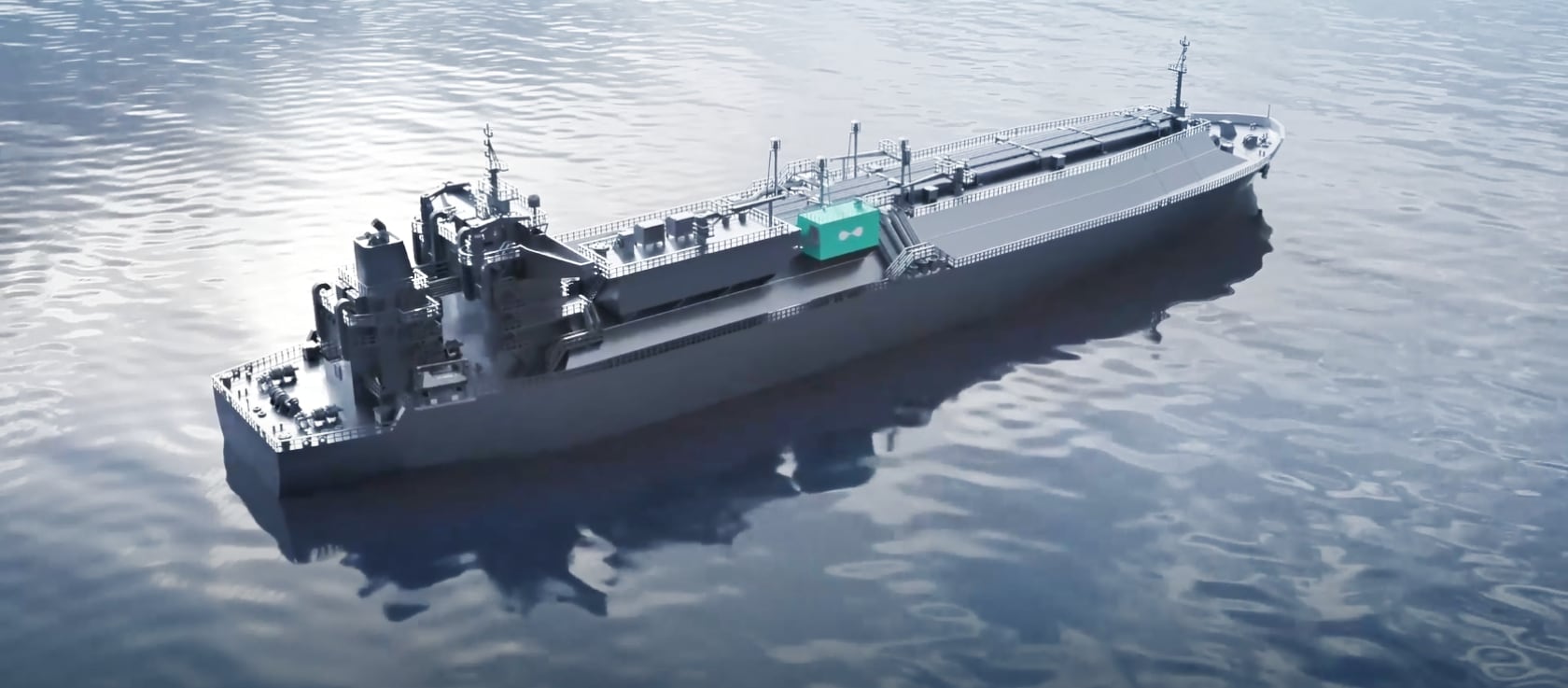
LNG carrier with ROTOBOOST Thermo-Catalytic Decomposition for pre-combustion carbon removal and hydrogen production
ROTOBOOST, under the leadership of chief executive Kaisa Nikulainen, is advancing maritime decarbonisation through its precombustion carbon-removal technology.
This technology involves the Thermo-Catalytic Decomposition (TCD) process, which converts natural gas – such as LNG or boil-off gas – into low-carbon hydrogen and solid carbon, contributing to reduced emissions from marine vessels.
The TCD process captures carbon in solid form before combustion, mitigating CO2 emissions, particulate matter and methane slip. This method produces hydrogen for fuel cells and creates a byproduct in the form of solid carbon, which has applications in various industries.
This dual outcome aligns environmental sustainability with economic viability. Rotoboost’s technology has been recognised with an approval in principle from American Bureau of Shipping, Lloyd’s Register, Bureau Veritas and RINA.
Technologically, ROTOBOOST’s TCD system uses a liquid catalyst to decompose natural gas into hydrogen and solid carbon on board vessels. This integration requires minimal modifications to existing fuel infrastructure.
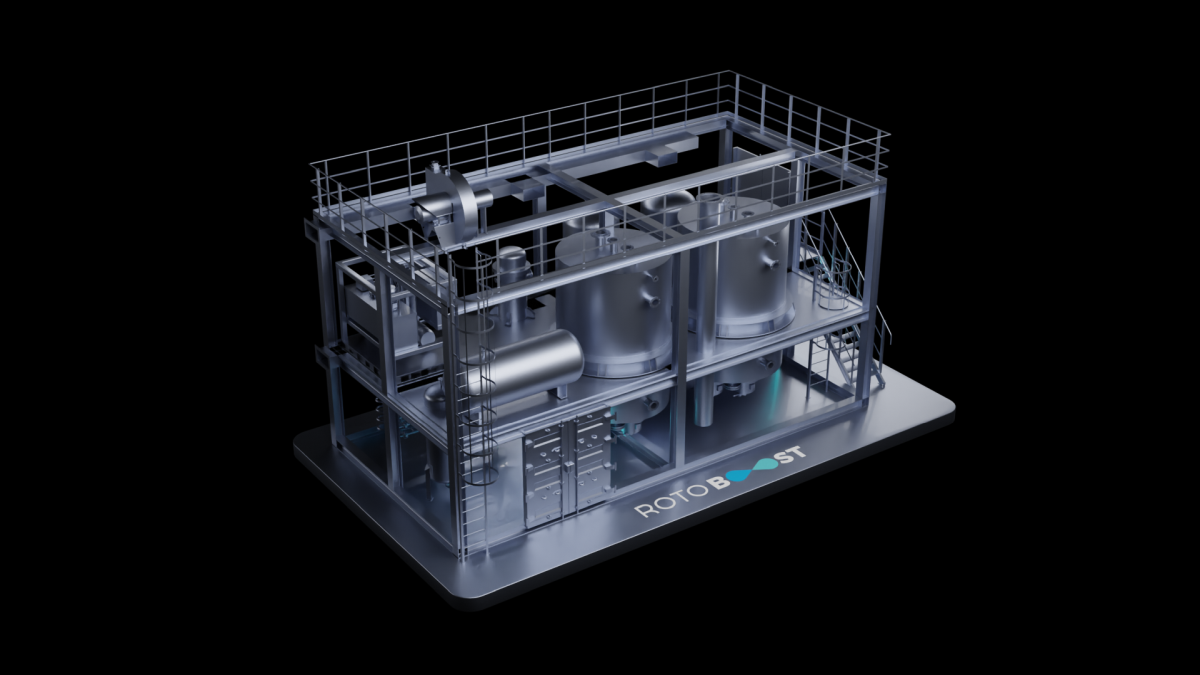
ROTOBOOST TCD system performs onboard carbon removal and hydrogen production
The hydrogen generated can be used in fuel cells or as a blend-in fuel for combustion engines, offering versatility and improving fuel efficiency, and the solid carbon can be repurposed for industrial uses, such as battery anodes for electric vehicles and materials for green steel production.
Economically, the ROTOBOOST TCD system offers an alternative to traditional carbon capture technologies and green fuels. Its modular and scalable design allows shipowners to adapt to stricter emissions regulations progressively.
This solution caters to both retrofits and new vessels, helping shipowners minimise infrastructure investment costs. This adaptability is beneficial in the maritime sector, where investment decisions are influenced by long-term regulatory landscapes.
The potential environmental impact of ROTOBOOST’s technology is noteworthy. By reducing CO2 emissions and other pollutants, the ROTOBOOST TCD system supports global decarbonisation efforts. The production of hydrogen as a clean blend-in fuel further promotes the shift towards sustainable energy sources.
This combination of emissions reduction and byproduct utilisation demonstrates how technology can contribute to sustainability in the maritime industry.
ROTOBOOST has initiated commercial project collaborations in the shipping industry and aims to provide customised solutions to help clients achieve their carbon reduction and methane slip abatement targets.
However, the deployment of onboard systems presents challenges, including technical and logistical issues such as port reception infrastructure and regulatory frameworks.
ROTOBOOST is addressing these issues by working with clients and partners in the industry chain to build a supportive ecosystem. ROTOBOOST has been nominated for a Maritime Decarbonisation Award.