
OIL & GAS
ROTOBOOST Oil & Gas Solution
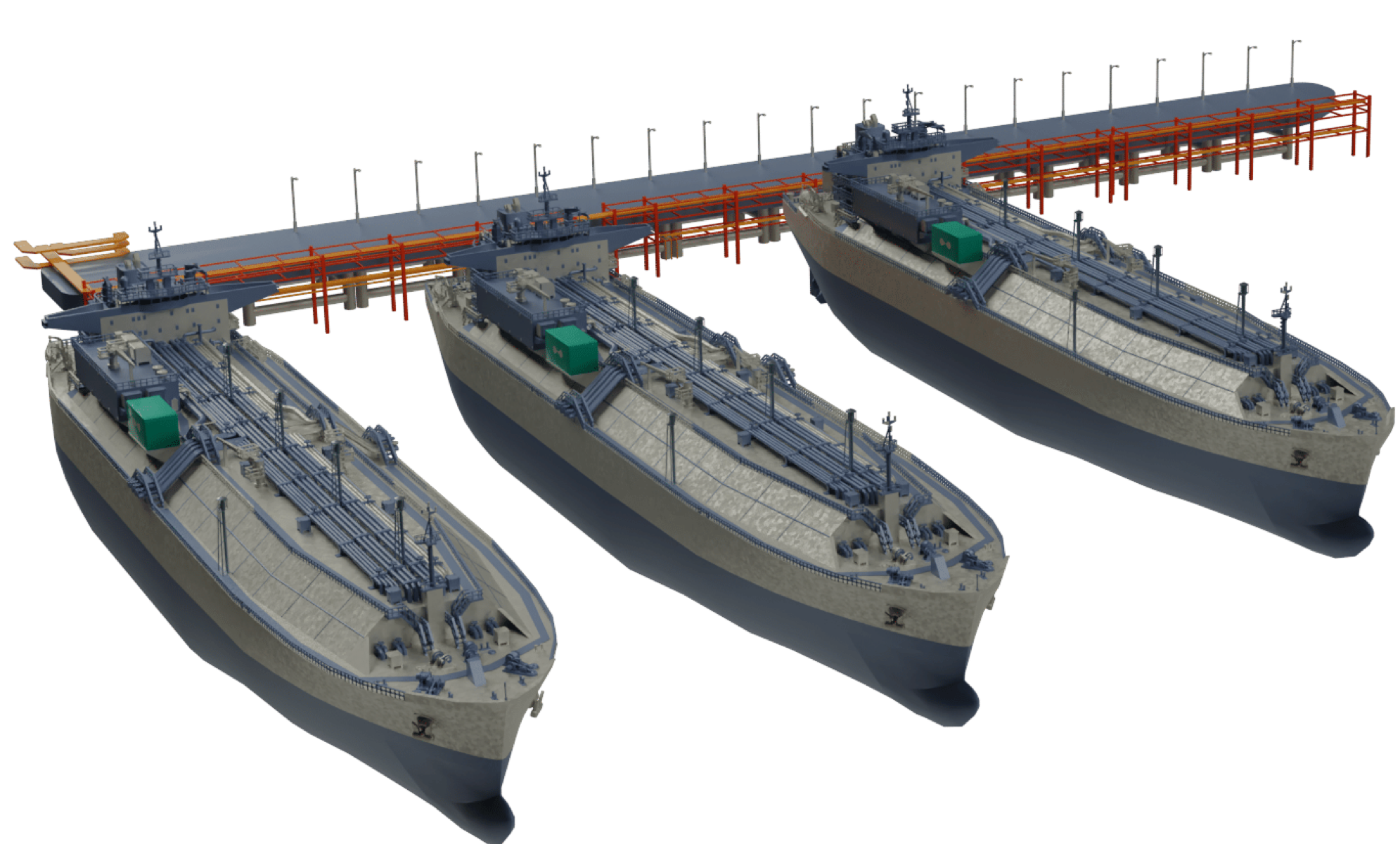
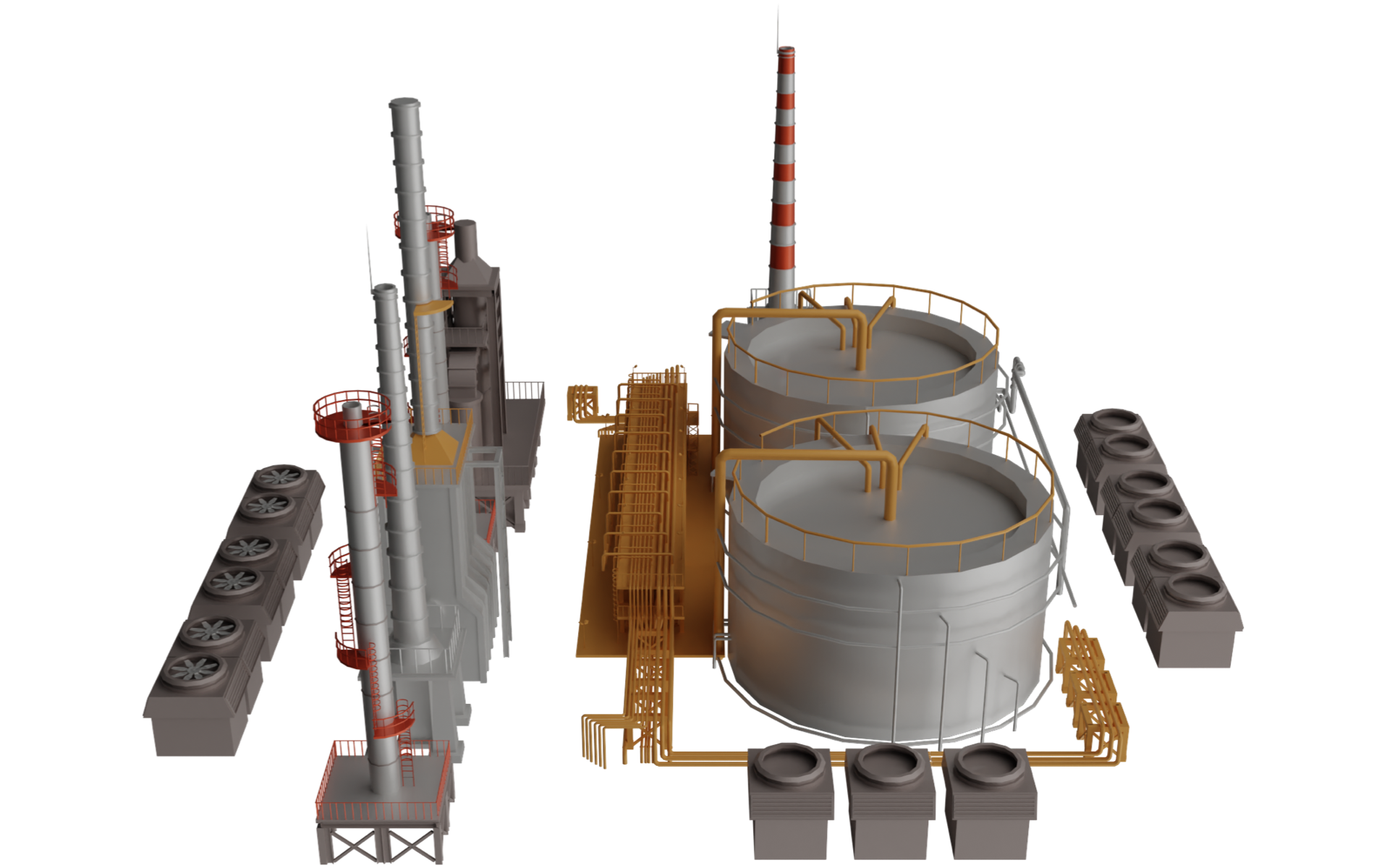
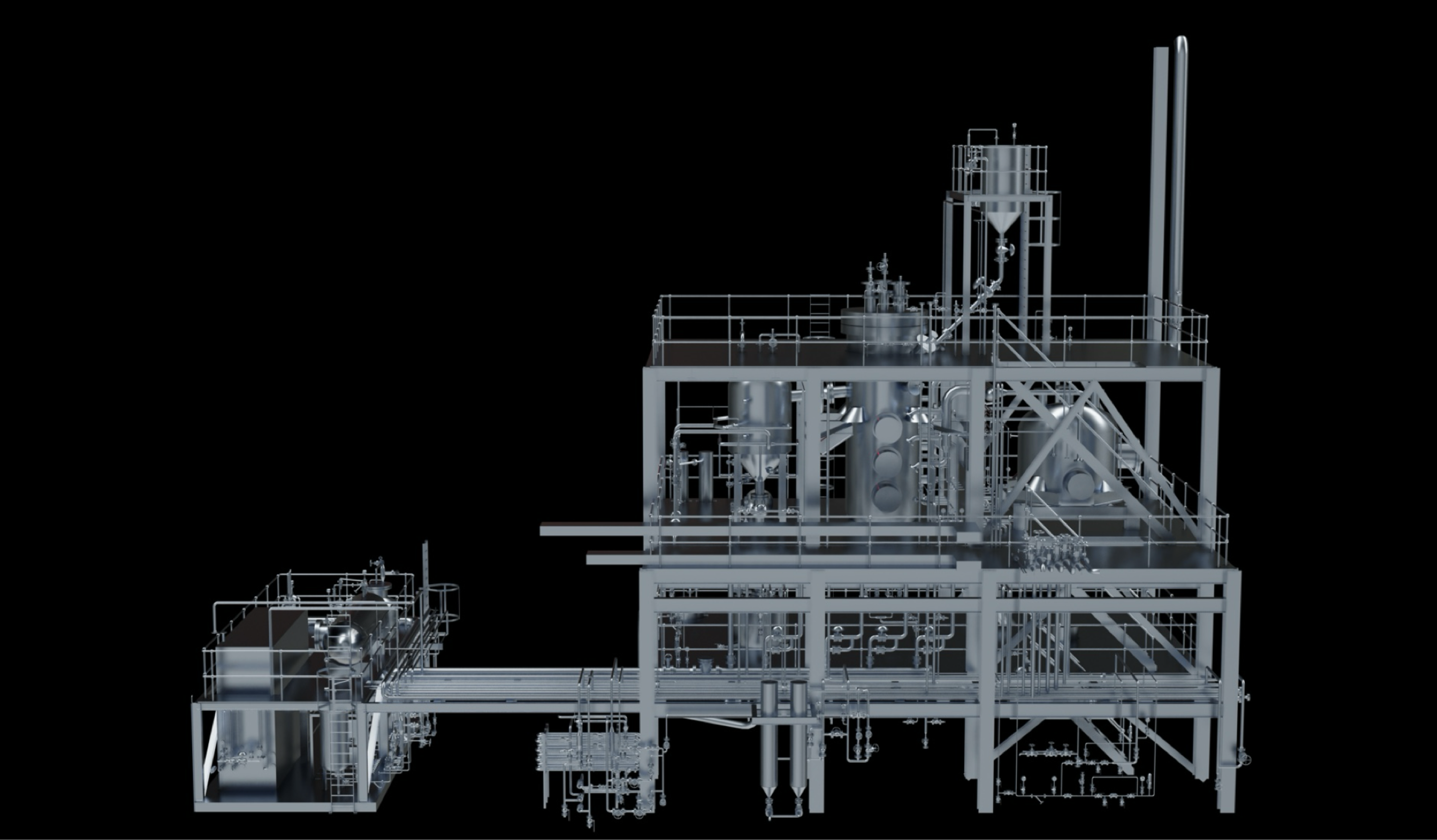
3D model of TCD system
Decarbonization for Oil & Gas Industry Chain
Scalable Technology for Real-World Scenarios
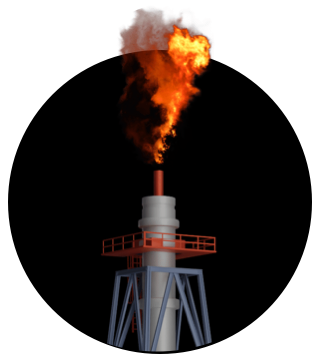
Upstream
Harnessing Flare Gas Molecular Potential
Challenges of Decarbonization
![]()
- Stranded gas utilization and circular economy
- Lowering carbon intensity of LNG value chain
ROTOBOOST TCD Solution
![]()
- High conversion rate of hydrocarbons from
- C1-C6
- Hydrogen-enriched gas allows zero flaring while lowering the overall emission
- Hydrogen specification meets low-carbon requirement
- Marketable carbon product enhances circular economy
Midstream
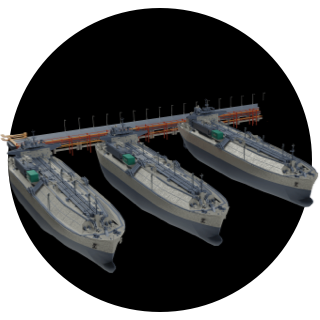
Lower-Carbon LNG Shipping
Challenges of Decarbonization
![]()
- IMO and local emission control area penalties (FuelEU etc.) are threatening to make LNG carriers untradable within the next 15 years
- LNG is still the most affordable low carbon fuel, but it needs further decarbonization
- CCUS not possible due to cost and space restrictions
- CO2 sequestrations value chain and infrastructure non-existence
- Significant methane slip from 4-stroke engines
ROTOBOOST TCD Solution
![]()
- Life extension of existing steam & DFDE ships
- Pre-combustion carbon removal and BOG full utilization simultaneously
- Methane slip reduction via hydrogen blending
- 5X more volume efficient than CCUS
- Less than 3 years ROI
- TRL ahead of other technologies
- Circular carbon economy empowers in country value
Downstream
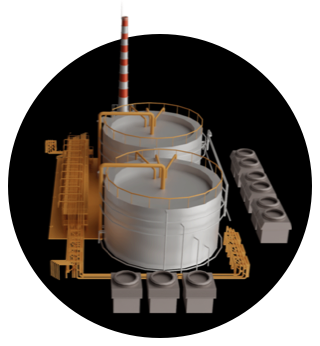
On-Site Natural Gas Decarbonization
Challenges of Conventional Technologies
![]()
- SMR and electrolysis technologies have high water and electricity consumption
- Each ton of H2 produced via SMR emits over 10 tons of CO2
- CO2 capture is complex and costly
- Electrolyzers demand over 500 GWh of renewable electricity daily
ROTOBOOST TCD Solution
![]()
- No water needed as feedstock
- On-site & on-demand H2 production
- Liquid fuel products meet low-carbon certification requirement
- High-value carbon byproduct for circular economy